Fresh Vegetable Sushi Rolls
Highlighted under: Fresh & Light
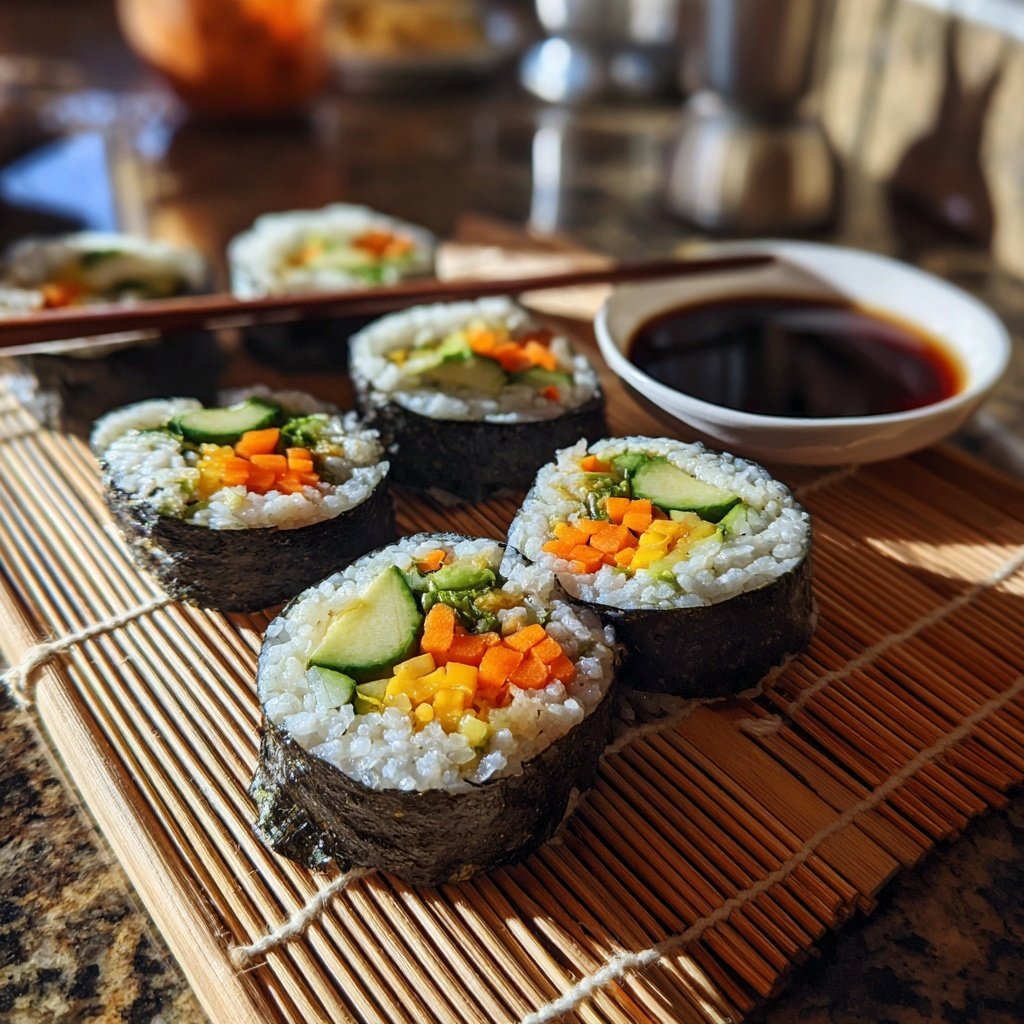
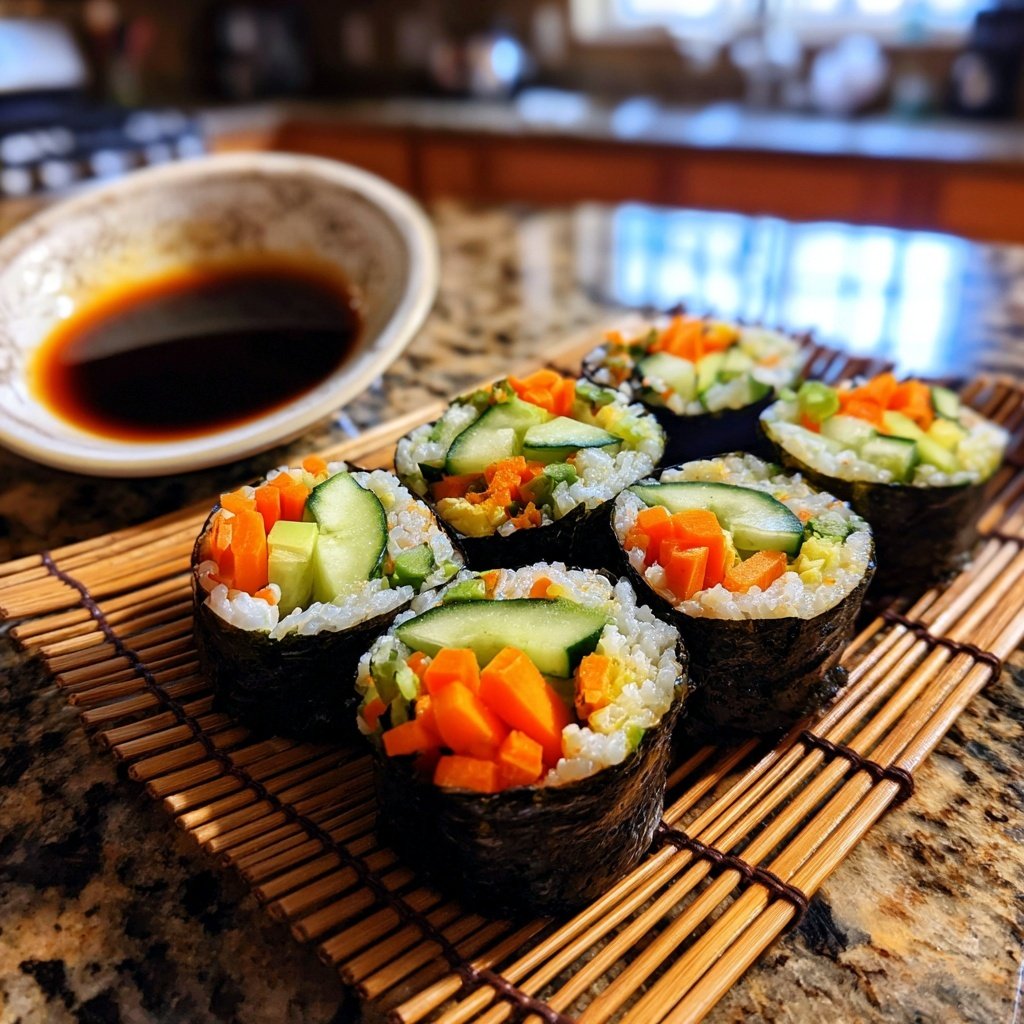
I absolutely love making fresh vegetable sushi rolls at home. It's a fun and refreshing activity that brings out my creativity in the kitchen. Rolling sushi might seem intimidating at first, but I’ve found that once you get the hang of it, it becomes an enjoyable process. The vibrant vegetables combined with the sticky rice and nori create a delicious bite that’s both healthy and satisfying. I often experiment with different fillings and dipping sauces, making each roll unique and personal to my taste.
When I first tried my hand at making sushi, I was amazed at how simple it could be with a few fresh ingredients. I remember going to the local market and picking out vibrant bell peppers, crunchy cucumbers, and ripe avocados—each one adding different textures and flavors to my rolls. The key is to use the freshest ingredients, as they truly make the sushi shine and taste incredible.
Another tip I learned along the way is to keep a bowl of water nearby while rolling. This helps to dampen my fingers and the edges of the nori, ensuring everything sticks together nicely. It's these little tricks that elevate the overall quality and presentation of the sushi rolls. I can't wait to share the joy of making these with friends and family!
Why You Will Love These Rolls
- Crisp and colorful vegetables for a fresh taste
- Versatile recipe, allowing for customization with your favorite fillings
- Perfect as a light meal, snack, or appetizer for gatherings
The Importance of Sushi Rice
Sushi rice is the foundation of great sushi rolls, providing the perfect balance of texture and flavor. When cooking the rice, it's crucial to rinse it until the water runs clear, ensuring any excess starch is removed. This step prevents the rice from becoming too sticky when cooked, which is key for achieving the ideal consistency. Cooking it with the right water-to-rice ratio also aids in creating that perfect chewy yet tender texture.
After cooking, let the rice sit for about 10 minutes off the heat. This resting period allows the rice to finish steaming, ensuring each grain is cooked evenly. Once cooled slightly, you can season the rice with a mixture of rice vinegar, sugar, and salt. This adds a subtle tang and sweetness that complements the fresh vegetables beautifully.
Choosing the Right Vegetables
When assembling your sushi rolls, the choice of vegetables can greatly enhance the dish. Opt for veggies that provide a mix of colors and textures for visual appeal and crunch. Cucumbers offer a refreshing crispness, while bell peppers add sweetness; carrots contribute a natural earthiness. If you're looking to offer additional flavors, consider incorporating ingredients like radish, pickled ginger, or even leafy greens such as spinach.
Remember, freshness matters! Shop for ripe avocado and crisp vegetables to ensure the highest quality rolls. If you're in a pinch, substitute vegetables with what you have at home, like zucchini or asparagus, but be mindful of their moisture content, as overly watery vegetables can make sushi soggy.
Ingredients
Ingredients
Sushi Ingredients
- 1 cup sushi rice
- 1 1/4 cups water
- 4 sheets nori
- 1 ripe avocado, sliced
- 1 small cucumber, julienned
- 1 red bell pepper, julienned
- 1 carrot, julienned
- Soy sauce, for dipping
Instructions
Instructions
Prepare the Sushi Rice
Rinse the sushi rice under cold water until the water runs clear. In a pot, combine the rice and water, bringing it to a boil. Once boiling, reduce the heat to low, cover, and simmer for 20 minutes. Remove from heat and let it sit for 10 minutes.
Prepare the Vegetables
While the rice cooks, julienne the cucumber, red bell pepper, and carrot. Slice the avocado just before you start rolling the sushi to prevent browning.
Assemble the Sushi Rolls
Place a sheet of nori on a bamboo mat (or a clean surface). Wet your fingers and grab a handful of sushi rice, spreading it evenly over the nori, leaving about an inch at the top. Layer your chosen vegetables on top of the rice.
Roll the Sushi
Using the bamboo mat, start rolling the sushi away from you, pressing gently but firm enough to keep the roll tight. Seal the edge of the nori with a little water.
Cut and Serve
Using a sharp knife, slice the rolls into bite-size pieces. Serve with soy sauce for dipping and enjoy your fresh vegetable sushi!
Pro Tips
- Experiment with different vegetables or add cooked shrimp or tofu for added protein. Always use sharp knives to cut your rolls for clean edges.
Serving Suggestions
These fresh vegetable sushi rolls can be served as a light meal, snack, or an impressive appetizer for gatherings. Pair them with a variety of dips like traditional soy sauce, or get creative with wasabi mayo or sesame dipping sauce for added flavor. For a complete meal, consider serving the rolls alongside a fresh salad or miso soup, enhancing the overall dining experience.
If you’re entertaining, consider creating a sushi rolling station for guests to personalize their rolls. This interactive element encourages creativity and lets everyone enjoy the various colors and flavors of vegetables in their own creations.
Make-Ahead and Storage Tips
Fresh vegetable sushi rolls are best enjoyed immediately, but if you're prepping ahead of time, store them properly to maintain their freshness. Wrap the rolls tightly in plastic wrap to prevent drying out, and refrigerate them. They can be stored for up to 24 hours; however, the avocado may brown, so it’s best to prep it just before assembly if possible.
To make sushi rice in larger batches, scale the recipe proportionally, keeping the water-to-rice ratio consistent. Store any leftover sushi rice in an airtight container in the refrigerator for up to a week. Reheat it gently in the microwave with a wet paper towel over it to restore moisture before using in a future sushi making session.
Troubleshooting Common Issues
One common issue with homemade sushi rolls is having them fall apart when cutting. To avoid this, ensure you’re using a sharp knife to cut through the rolls, and wet the knife with water between cuts to reduce stickiness. Additionally, making sure your rolls are tightly packed helps maintain their shape.
Another potential problem is achieving the right balance of flavors. If your rolls taste bland, consider adjusting the seasoning of the sushi rice, and play around with the ratios of the vegetables you use. A little extra sprinkle of salt or a dash of vinegar can elevate the taste significantly.
Questions About Recipes
→ Can I use brown rice instead of sushi rice?
Yes, but brown rice requires a different cooking time and method. Make sure it's fully cooked and sticky for easier rolling.
→ What can I use if I can't find nori?
You can use thinly sliced cucumber or soy paper as a substitute for nori.
→ How do I store leftover sushi rolls?
Store them in an airtight container in the refrigerator for up to 24 hours. However, they are best enjoyed fresh.
→ Are these rolls gluten-free?
The rolls are gluten-free if you use gluten-free soy sauce. Rice and vegetables are naturally gluten-free.
Fresh Vegetable Sushi Rolls
Created by: The Foodieloom Team
Recipe Type: Fresh & Light
Skill Level: Beginner
Final Quantity: 4 rolls
What You'll Need
Sushi Ingredients
- 1 cup sushi rice
- 1 1/4 cups water
- 4 sheets nori
- 1 ripe avocado, sliced
- 1 small cucumber, julienned
- 1 red bell pepper, julienned
- 1 carrot, julienned
- Soy sauce, for dipping
How-To Steps
Rinse the sushi rice under cold water until the water runs clear. In a pot, combine the rice and water, bringing it to a boil. Once boiling, reduce the heat to low, cover, and simmer for 20 minutes. Remove from heat and let it sit for 10 minutes.
While the rice cooks, julienne the cucumber, red bell pepper, and carrot. Slice the avocado just before you start rolling the sushi to prevent browning.
Place a sheet of nori on a bamboo mat (or a clean surface). Wet your fingers and grab a handful of sushi rice, spreading it evenly over the nori, leaving about an inch at the top. Layer your chosen vegetables on top of the rice.
Using the bamboo mat, start rolling the sushi away from you, pressing gently but firm enough to keep the roll tight. Seal the edge of the nori with a little water.
Using a sharp knife, slice the rolls into bite-size pieces. Serve with soy sauce for dipping and enjoy your fresh vegetable sushi!
Extra Tips
- Experiment with different vegetables or add cooked shrimp or tofu for added protein. Always use sharp knives to cut your rolls for clean edges.
Nutritional Breakdown (Per Serving)
- Calories: 150 kcal
- Total Fat: 5g
- Saturated Fat: 1g
- Cholesterol: 0mg
- Sodium: 90mg
- Total Carbohydrates: 25g
- Dietary Fiber: 3g
- Sugars: 2g
- Protein: 4g