Prime Rib with Herb Crust
Highlighted under: Cozy Bowls
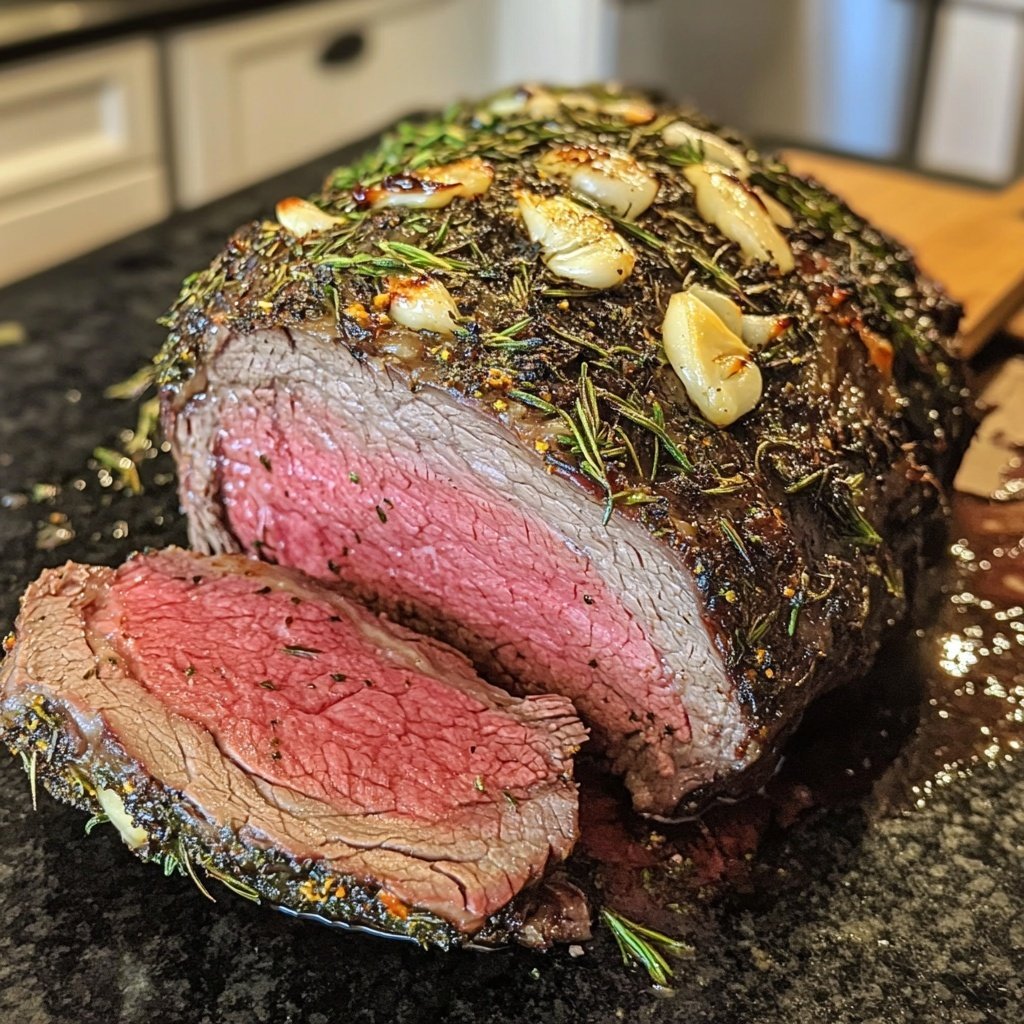
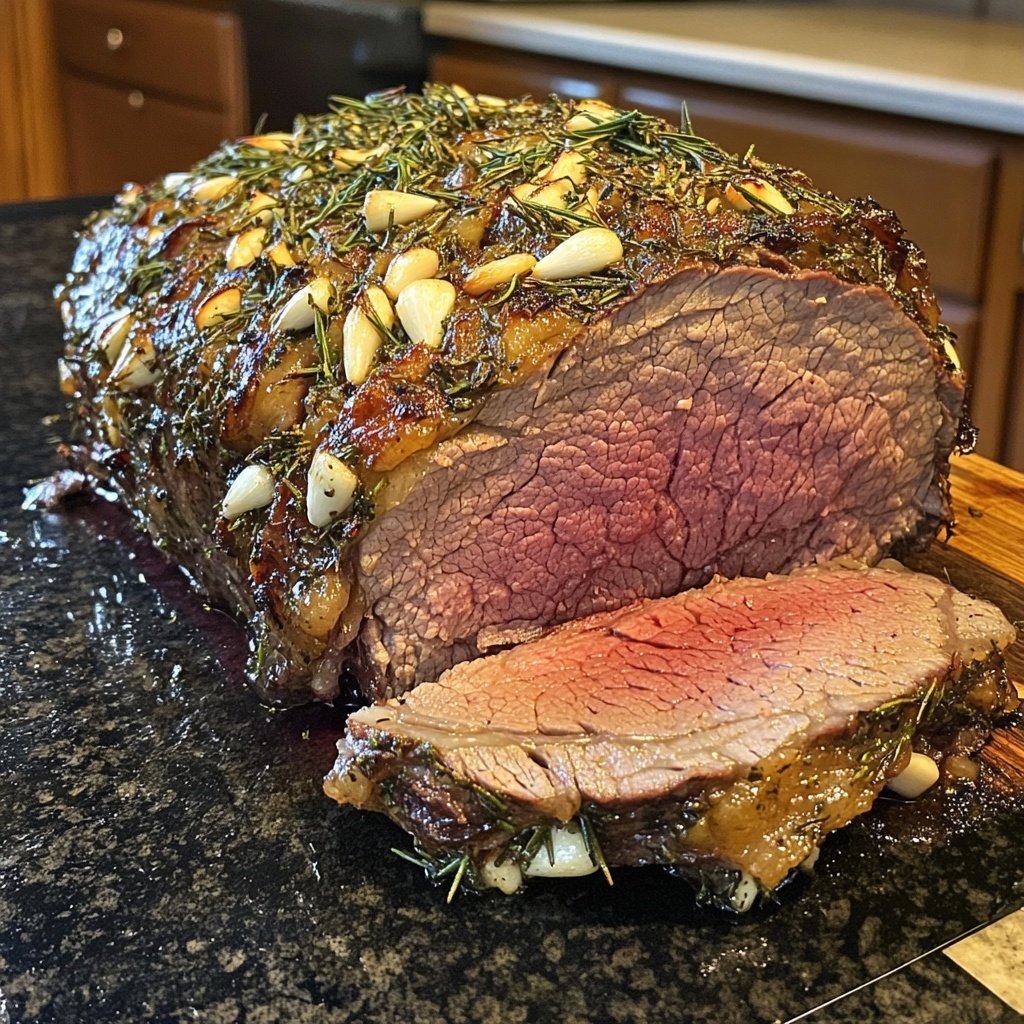
Indulge in a succulent Prime Rib with a fragrant herb crust that elevates your dining experience.
This Prime Rib with Herb Crust is a show-stopping centerpiece for any special occasion. The combination of fresh herbs creates a flavorful crust that enhances the natural richness of the meat.
Why You'll Love This Recipe
- Juicy and tender meat with a flavorful herb crust
- Perfect for holiday gatherings or celebrations
- Impressive presentation that wows guests
The Perfect Cut of Meat
Choosing the right cut of meat is crucial for a successful prime rib. Opt for a well-marbled prime rib roast, which ensures that the meat remains juicy and flavorful during cooking. The marbling, which consists of intramuscular fat, melts into the meat as it roasts, enhancing both tenderness and flavor. When selecting your roast, look for a bright red color and a generous amount of fat around the edges, as this is a sign of quality.
For the best results, consider purchasing your prime rib from a trusted butcher or specialty meat shop. They can often provide insight into the best cuts available and may even help you select a roast based on your specific needs, whether it's for a small gathering or a grand holiday feast.
Preparing for a Special Occasion
Prime rib is more than just a meal; it's a centerpiece that can elevate any dining experience. When planning a special occasion, consider how you can complement the roast with sides and beverages that enhance the meal. Classic pairings include creamy mashed potatoes, roasted vegetables, and a rich red wine, which can beautifully highlight the flavors of the meat.
Setting the table with elegant dinnerware and soft lighting can further enhance the ambiance of your gathering. Don't forget to consider your guests' dietary preferences and pair your meal with a variety of options to ensure everyone feels included and well cared for.
Storing and Reheating Leftovers
If you find yourself with leftover prime rib, you're in for a treat. Proper storage is key to maintaining the meat's quality. Allow the roast to cool completely before wrapping it tightly in plastic wrap or aluminum foil, and store it in the refrigerator. Leftover prime rib can last for up to four days in the fridge. For longer storage, consider freezing it, where it can remain fresh for up to six months.
When it comes time to enjoy your leftovers, reheating them without drying out the meat is essential. Preheat your oven to 250°F (120°C), place the leftover slices in a baking dish, and cover them with foil. Heat for about 20-30 minutes or until warmed through. This gentle reheating method will help preserve the juiciness of the meat, making your leftovers just as delicious as the first serving.
Ingredients
For the Prime Rib
- 1 (5-6 lb) prime rib roast
- 2 tablespoons olive oil
- Salt and pepper to taste
For the Herb Crust
- 4 cloves garlic, minced
- 2 tablespoons fresh rosemary, chopped
- 2 tablespoons fresh thyme, chopped
- 1 tablespoon Dijon mustard
- 1 tablespoon Worcestershire sauce
Ensure all ingredients are fresh for the best flavor.
Instructions
Prepare the Roast
Preheat your oven to 450°F (230°C). Pat the prime rib roast dry with paper towels and rub it with olive oil, salt, and pepper.
Make the Herb Mixture
In a bowl, mix together the minced garlic, chopped rosemary, thyme, Dijon mustard, and Worcestershire sauce.
Apply Herb Crust
Spread the herb mixture evenly over the top and sides of the roast, pressing it into the meat.
Roast the Prime Rib
Place the roast in a roasting pan and cook in the preheated oven for 20 minutes. Then, reduce the temperature to 325°F (160°C) and continue roasting for about 70-80 minutes, or until the internal temperature reaches your desired doneness.
Rest and Serve
Remove the roast from the oven and let it rest for at least 20 minutes before slicing. Serve with your favorite sides.
Enjoy your delicious Prime Rib with Herb Crust!
Pro Tips
- For extra flavor, let the roast come to room temperature before cooking. Use a meat thermometer to check for doneness.
Serving Suggestions
To make your prime rib dinner even more memorable, consider a selection of sides that complement the rich flavors of the roast. Creamy horseradish sauce, a classic accompaniment, adds a delightful kick that balances the meat's richness. Additionally, consider serving a fresh arugula salad with a zesty lemon vinaigrette to add brightness to the meal.
For a heartier option, roasted root vegetables seasoned with herbs can provide a comforting touch. Carrots, parsnips, and potatoes tossed in olive oil and herbs make for a colorful and flavorful side that pairs beautifully with prime rib.
Wine Pairing
Selecting the right wine can elevate your dining experience when serving prime rib. A full-bodied red wine, such as Cabernet Sauvignon or Merlot, pairs exceptionally well with the rich flavors of the roast. The tannins in these wines complement the meat's fat content, enhancing the overall taste.
If you prefer white wine, a full-bodied Chardonnay with a hint of oak can also work, but red wines are traditionally the go-to choice for prime rib. Consider serving the wine slightly below room temperature to allow the flavors to shine through. Remember to decant the wine before serving for a smoother taste.
Frequently Asked Questions
One common question about cooking prime rib is how to achieve the perfect doneness. An internal temperature of 130°F (54°C) for medium-rare is ideal, while medium is around 140°F (60°C). Use a reliable meat thermometer to ensure accuracy, and remember that the meat will continue to cook slightly while resting.
Another frequent inquiry involves how to choose between bone-in and boneless prime rib. Bone-in roasts tend to be more flavorful and can help retain moisture during cooking, while boneless cuts are easier to slice and serve. Both options can yield delicious results, so your choice may depend on your serving style and preferences.
Questions About Recipes
→ What is the best way to store leftover prime rib?
Wrap it tightly in foil or plastic wrap and refrigerate for up to 3 days.
→ Can I use dried herbs instead of fresh?
Yes, but use about one-third the amount since dried herbs are more concentrated.
→ What side dishes pair well with prime rib?
Mashed potatoes, roasted vegetables, and a fresh salad are great options.
→ How can I achieve the perfect doneness?
Use a meat thermometer to check the internal temperature: 130°F for medium-rare, 140°F for medium.
Prime Rib with Herb Crust
Created by: The Foodieloom Team
Recipe Type: Cozy Bowls
Skill Level: Intermediate
Final Quantity: 6 servings
What You'll Need
For the Prime Rib
- 1 (5-6 lb) prime rib roast
- 2 tablespoons olive oil
- Salt and pepper to taste
For the Herb Crust
- 4 cloves garlic, minced
- 2 tablespoons fresh rosemary, chopped
- 2 tablespoons fresh thyme, chopped
- 1 tablespoon Dijon mustard
- 1 tablespoon Worcestershire sauce
How-To Steps
Preheat your oven to 450°F (230°C). Pat the prime rib roast dry with paper towels and rub it with olive oil, salt, and pepper.
In a bowl, mix together the minced garlic, chopped rosemary, thyme, Dijon mustard, and Worcestershire sauce.
Spread the herb mixture evenly over the top and sides of the roast, pressing it into the meat.
Place the roast in a roasting pan and cook in the preheated oven for 20 minutes. Then, reduce the temperature to 325°F (160°C) and continue roasting for about 70-80 minutes, or until the internal temperature reaches your desired doneness.
Remove the roast from the oven and let it rest for at least 20 minutes before slicing. Serve with your favorite sides.
Extra Tips
- For extra flavor, let the roast come to room temperature before cooking. Use a meat thermometer to check for doneness.
Nutritional Breakdown (Per Serving)
- Calories: 650 kcal
- Total Fat: 45g
- Saturated Fat: 18g
- Cholesterol: 140mg
- Sodium: 90mg
- Total Carbohydrates: 2g
- Dietary Fiber: 0g
- Sugars: 0g
- Protein: 60g