Rustic Artisan Bread and Cheese
Highlighted under: World Table
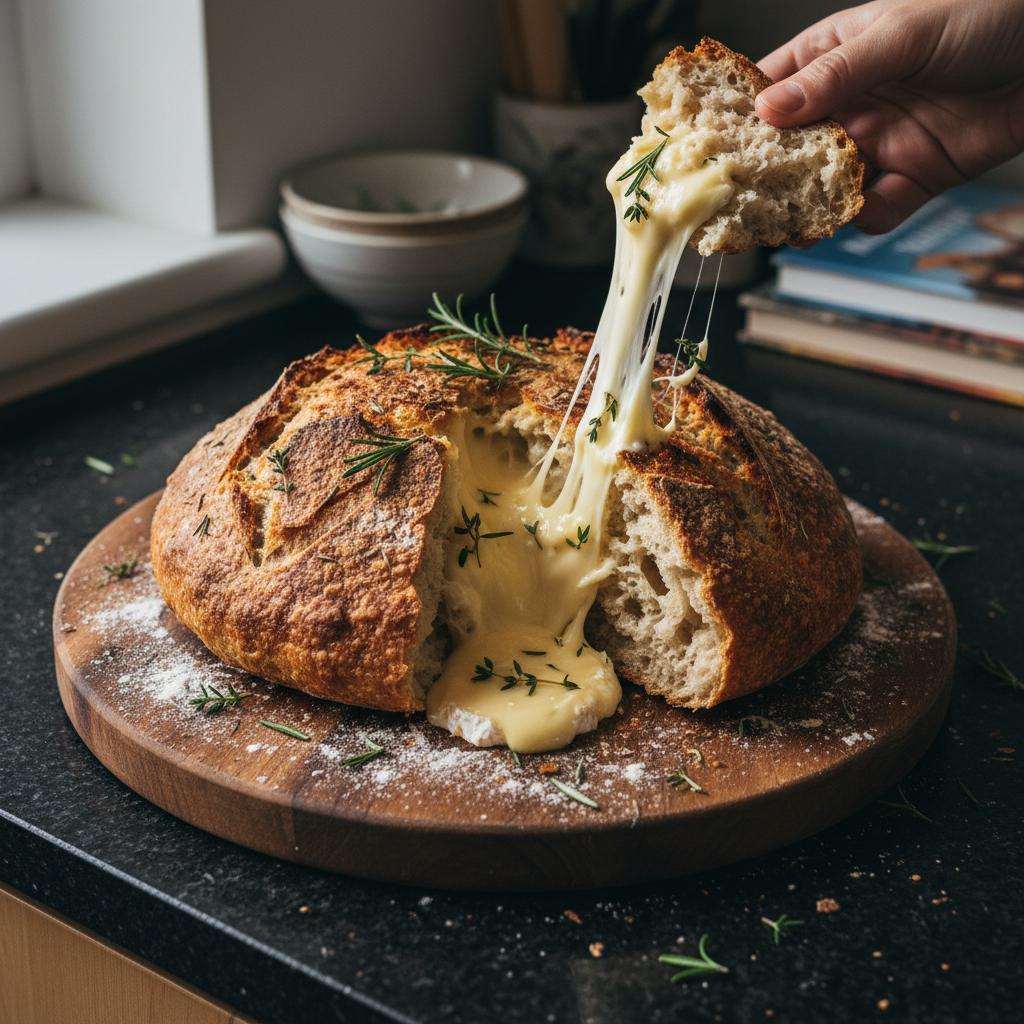
I love making Rustic Artisan Bread and Cheese for gatherings or lazy weekend lunches. The combination of homemade bread and a delightful selection of cheeses brings so much comfort and joy to the table. The crusty exterior and airy interior of the bread are perfect for soaking up various flavors, and choosing the right cheeses adds an adventurous twist. Whether it's a quiet night in or a festive get-together, this dish never fails to impress while being deceptively simple to prepare.
During my experiments with homemade bread, I discovered the perfect method for creating a crusty yet soft loaf that pairs beautifully with cheese. By using a combination of bread flour and a long fermentation process, the flavors deepen and develop a lovely texture. I also learned that a simple steam bath in the oven can yield that gorgeous crispy crust we all crave.
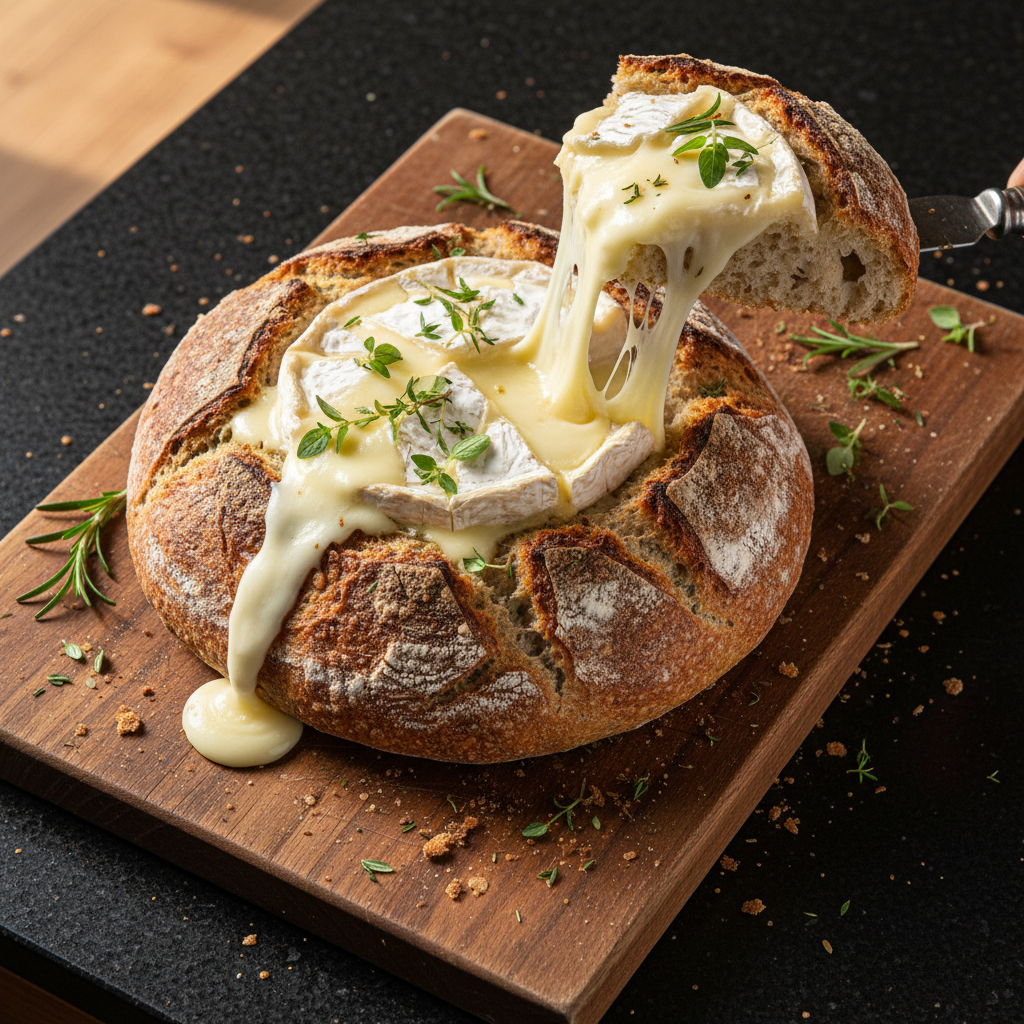
As I’ve paired different cheeses with this bread, I’ve found that sharp cheddar and creamy brie work particularly well. Each bite becomes a delightful adventure where the bread enhances the cheese's flavor rather than overwhelming it. This balance is truly what makes this pairing irresistible.
Why You Will Love This Recipe
- The perfect combination of crusty bread and rich cheese.
- A great centerpiece for any gathering.
- The aroma of freshly baked bread fills your home.
The Science Behind the Crust and Crumb
Achieving the perfect crust on your Rustic Artisan Bread hinges on the right balance of moisture and heat. The steam created from the cast iron pot during baking not only helps develop a beautifully crispy exterior but also allows the dough to rise effectively, contributing to a light, airy crumb on the inside. Aim for a minimum baking temperature of 450°F (232°C) for optimal results. Keep an eye on the loaf as it bakes; you want a deep golden color before pulling it out.
The use of bread flour in this recipe is crucial due to its higher protein content compared to all-purpose flour, which aids in gluten formation. Gluten development is key for that desired chewy texture and robust structure. If you're in a pinch, you can substitute bread flour with all-purpose flour, but expect a slightly denser texture in the finished loaf.
Cheese Pairing Tips
When it comes to selecting cheeses to serve with your Rustic Artisan Bread, consider a variety of textures and flavors to create a balanced platter. A sharp cheddar provides a robust contrast to the bread's mild flavor, while creamy brie adds richness. Gouda, whether young and sweet or aged with nutty notes, can elevate your cheese board. I like to include a soft cheese alongside harder varieties for variety, ensuring each bite is distinct yet complementary.
Don’t hesitate to include some fresh fruits like grapes or sliced apples. They not only enhance the visual appeal of your gathering spread but also add a refreshing sweetness that pairs beautifully with the savory notes of the cheeses. Drizzle a bit of olive oil on your sliced bread for an extra layer of flavor, enhancing the overall tasting experience.
Storage and Make-Ahead Options
To ensure your Rustic Artisan Bread stays fresh, store it at room temperature in a paper bag, which helps maintain its crusty exterior. Avoid plastic bags as they can trap moisture and cause the crust to become soggy. If you find yourself with leftover bread, consider freezing it. Slice the loaf first, wrap each slice in plastic wrap, and then place them in an airtight container for up to three months. The bread can be toasted directly from frozen, bringing back its delightful texture.
If you're planning to serve this dish at a gathering, you can prepare the dough the night before and allow it to rise overnight. This not only saves time but also develops deeper flavors in the bread. Just make sure to allow the dough to come to room temperature and rise again for about an hour before shaping and baking. Preparing the cheese and fruit platter in advance will also help you enjoy more time with your guests.
Ingredients
Gather the following ingredients to make your own Rustic Artisan Bread and enjoy with your cheese selection:
For the Rustic Bread
- 3 cups bread flour
- 1 and 1/4 cups warm water
- 1 teaspoon active dry yeast
- 2 teaspoons salt
For Serving
- A selection of cheeses (cheddar, brie, gouda)
- Fresh fruits (e.g., grapes, apples)
- Olive oil for drizzling
Feel free to adjust the types of cheeses based on your preference or what you have on hand.
Instructions
Follow these simple steps to create your artisan bread:
Prepare the Dough
In a bowl, mix the bread flour, yeast, and salt. Gradually add warm water, stirring until a sticky dough forms. Cover with a damp cloth and let it rest for 12-18 hours in a warm area.
Shape the Bread
After the dough has risen, flour your hands and turn it onto a floured surface. Shape the dough into a round loaf, then place it on parchment paper and cover it loosely. Let it rest for 1 hour.
Bake the Bread
Preheat your oven to 450°F (232°C) and place a cast iron pot inside to heat. Once hot, carefully transfer the loaf into the pot, cover, and bake for 30 minutes. Then remove the lid and bake for another 15 minutes until golden brown.
Serve
Allow the bread to cool slightly before slicing. Serve with your choice of cheeses and a drizzle of olive oil.
Enjoy your handmade rustic bread with an array of cheeses for a delightful experience!
Pro Tips
- Experiment with different herbs or spices in the dough for added flavor. A sprinkle of rosemary or garlic powder can enhance the overall taste significantly.
Troubleshooting Common Issues
If your dough doesn't rise adequately after the resting period, it's likely due to the temperature of the water or the yeast. Make sure your water is warm—about 100°F (38°C)—not hot, which could kill the yeast. If you suspect your yeast is old, perform a quick test by dissolving it in warm water with a pinch of sugar; if it doesn't bubble within 10 minutes, consider getting fresh yeast.
In case your bread turns out too dense after baking, it may have been under-kneaded or not given enough time to rise. The dough should be sticky and elastic. Be mindful of the resting periods; they are essential for gluten formation and develop needed air pockets.
Scaling the Recipe
This Rustic Artisan Bread recipe easily scales up or down, making it versatile for different occasions. If you wish to make larger loaves, simply double the ingredients while maintaining the same ratio. Keep in mind that baking times may slightly increase—check the bread for doneness by tapping the bottom; it should sound hollow.
For a smaller gathering, halve the recipe to produce one loaf. Just be sure to adjust your resting times as the dough will rise faster in smaller batches. No matter the size, the key is to focus on that perfect golden crust and airy crumb.
Serving Suggestions
When serving your Rustic Artisan Bread, consider presenting it on a wooden board or slate platter for a rustic touch. Slice the bread with a serrated knife just before serving, which enhances the texture and makes it easier for guests to enjoy with their cheese selections. I often provide a small knife or cheese spreader for each cheese, encouraging guests to mix flavors as they please.
Enhance the experience with a few dips, like a balsamic reduction or a savory herb oil. These flavorful accompaniments can elevate the simple act of breaking bread into a delectable tasting experience. Encourage your guests to experiment with different cheese and dip combinations to find their perfect pairing!
Questions About Recipes
→ Can I use all-purpose flour instead of bread flour?
Yes, but the texture may be slightly different. Bread flour has a higher protein content, leading to a better rise and a chewier texture.
→ How do I know when the bread is done baking?
Check for a golden-brown crust and tap the bottom of the loaf; it should sound hollow when fully baked.
→ Can I store leftover bread?
Yes, wrap it in plastic wrap and store it in a cool place for up to 2 days, or freeze it for longer storage.
→ What types of cheese pair well with this bread?
Sharp cheddar, brie, gouda, and blue cheese are all excellent choices that complement the rustic flavor of the bread.
Rustic Artisan Bread and Cheese
Created by: The Foodieloom Team
Recipe Type: World Table
Skill Level: Intermediate
Final Quantity: Serves 6
What You'll Need
For the Rustic Bread
- 3 cups bread flour
- 1 and 1/4 cups warm water
- 1 teaspoon active dry yeast
- 2 teaspoons salt
For Serving
- A selection of cheeses (cheddar, brie, gouda)
- Fresh fruits (e.g., grapes, apples)
- Olive oil for drizzling
How-To Steps
In a bowl, mix the bread flour, yeast, and salt. Gradually add warm water, stirring until a sticky dough forms. Cover with a damp cloth and let it rest for 12-18 hours in a warm area.
After the dough has risen, flour your hands and turn it onto a floured surface. Shape the dough into a round loaf, then place it on parchment paper and cover it loosely. Let it rest for 1 hour.
Preheat your oven to 450°F (232°C) and place a cast iron pot inside to heat. Once hot, carefully transfer the loaf into the pot, cover, and bake for 30 minutes. Then remove the lid and bake for another 15 minutes until golden brown.
Allow the bread to cool slightly before slicing. Serve with your choice of cheeses and a drizzle of olive oil.
Extra Tips
- Experiment with different herbs or spices in the dough for added flavor. A sprinkle of rosemary or garlic powder can enhance the overall taste significantly.
Nutritional Breakdown (Per Serving)
- Calories: 450 kcal
- Total Fat: 15g
- Saturated Fat: 8g
- Cholesterol: 30mg
- Sodium: 400mg
- Total Carbohydrates: 60g
- Dietary Fiber: 3g
- Sugars: 2g
- Protein: 12g